Sutherland WJ, Burgess ND, Edwards SV, Jones JPG, Soltis PS, Tilman D, Allen JM, Andrianandrasana HT, Armour CJ, August T, et al. (2026). Nine changes needed to deliver a radical transformation in biodiversity measurement. Proceedings of the National Academy of Sciences, 123(10): e2519345123.
View paper →About the Principal Investigator
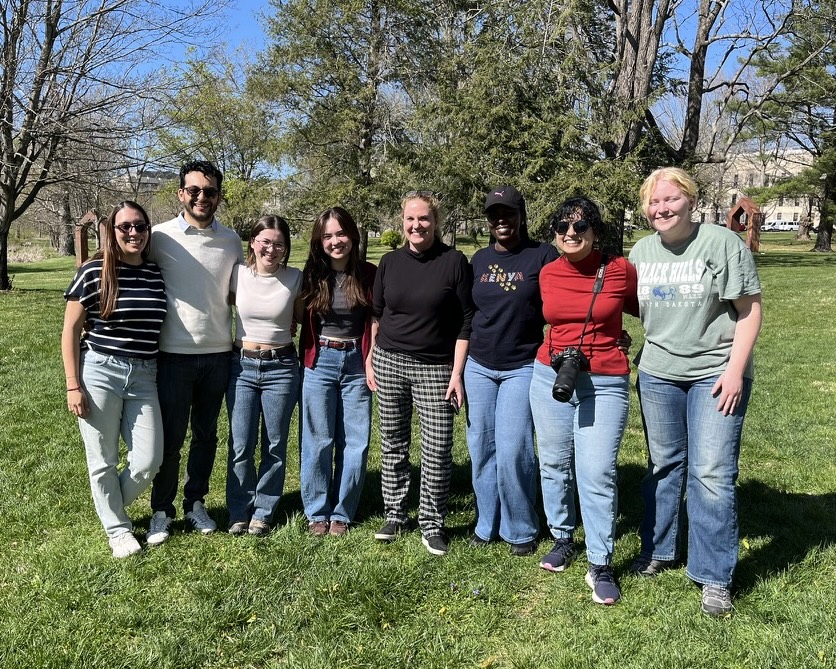
Dr. Julie Allen is an Associate Professor of Biological Sciences at Virginia Tech whose research explores questions in ecology, evolution, and biodiversity. Her work integrates field data, morphology, genetics, and computational tools to uncover patterns in how organisms evolve and interact with their environments.
Research
Liberating data through AI and bioinformatics
Addressing gaps in biodiversity data through AI, genomics, museum specimens, and community science.
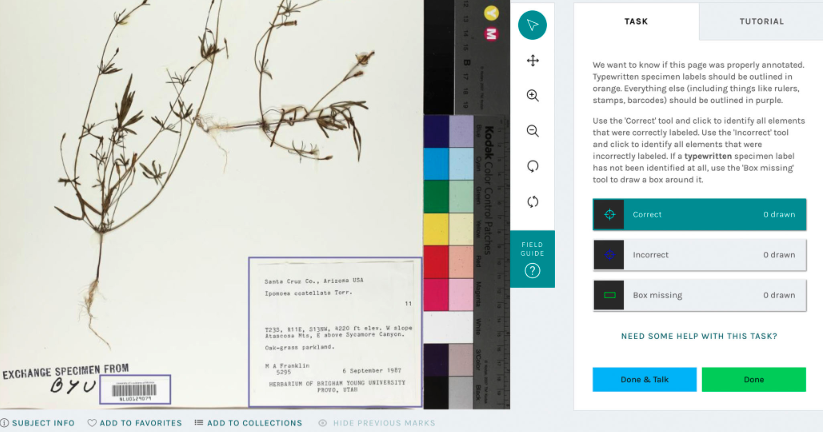
One of the key limitations of studying biodiversity, is the lack of data. Many organisms have little to no data on their distribution, genetics or evolutionary history. A part of our research program is to liberate these data from different avenues including, museum specimens using AI and community science and developing tools to rapidly assemble genes from genomic data.
Field collection, sequencing and bioinformatic pipelines of eDNA
Addressing gaps in biodiversity data through AI, genomics, museum specimens, and community science.
Environmental DNA (eDNA) is rapidly becoming a leading method in identifying and monitoring biodiversity. We are developing rapid methods for capturing, sequencing and analyzing eDNA. We have developed a ‘lab for the field’. We bring our equipment and run sequencing and have developed rapid bioinformatic methods for analyzing the results. This process won the XPRIZE rainforest grand prize. We use this technique now to answer many biological questions. For example, we analyze avian fecal DNA to figure out what organisms they are eating.
Understanding the co-evolutionary history of lice and their hosts.
Exploring the repeated evolution of lice adaptations and their relationships with bird hosts.
Birds are host to many species of parasites. Lice are avian ectoparasites that feed on feathers, skin and sometimes blood. They can affect the health and survivorship of their hosts. Lice live their entire life-cycle on their bird hosts and dont survive long off of their host. Birds have to spend time removing lice from their bodies to reduce this damage, using their bills and their feet. Lice have evolved specific morphological features to avoid being removed. These features have evolved over and over. We are studying the morphology, genetic changes and selective pressures causing this repeat convergent evolution.
SELECTED WORK
Publications
Rostami MA, Kolencik S, Balmaki B, Gustafsson DR, Weckstein JD, Gausas J, Palma RL, Sychra O, Sweet AD, Kuabara KMD, ... Allen JM. (2026). Promise and impediments in the use of deep learning for the identification of parasitic lice. The Journal of Parasitology, 112(5): 547–556.
View paper →Johnson KP, Allen JM, Szewczak A, Walden KKO, Doña J. (2026). A phylogenomic framework for avian feather lice (Phthiraptera: Ischnocera). Zoological Journal of the Linnean Society, 208(1): zlag152.
View paper →Kolencik S, Stanley EL, Punnath A, Grant AR, Doña J, Johnson KP, Allen JM. (2024). Parasite escape mechanisms drive morphological diversification in avian lice. Proceedings of the Royal Society B: Biological Sciences, 291(2019): 20232665.
View paper →Guralnick R, LaFrance R, Denslow M, Blickhan S, Bouslog M, Miller S, Yost J, Best J, Paul DL, Ellwood E, ..., Allen JM. (2024). Humans in the loop: Community science and machine learning synergies for overcoming herbarium digitization bottlenecks. Applications in Plant Sciences, 12(1): e11560.
View paper →Oswald JA, Smith BT, Allen JM, Guralnick RP, Steadman DW, LeFebvre MJ. (2023). Changes in parrot diversity after human arrival to the Caribbean. Proceedings of the National Academy of Sciences, 120(41): e2301128120.
View paper →People
Life in the Lab
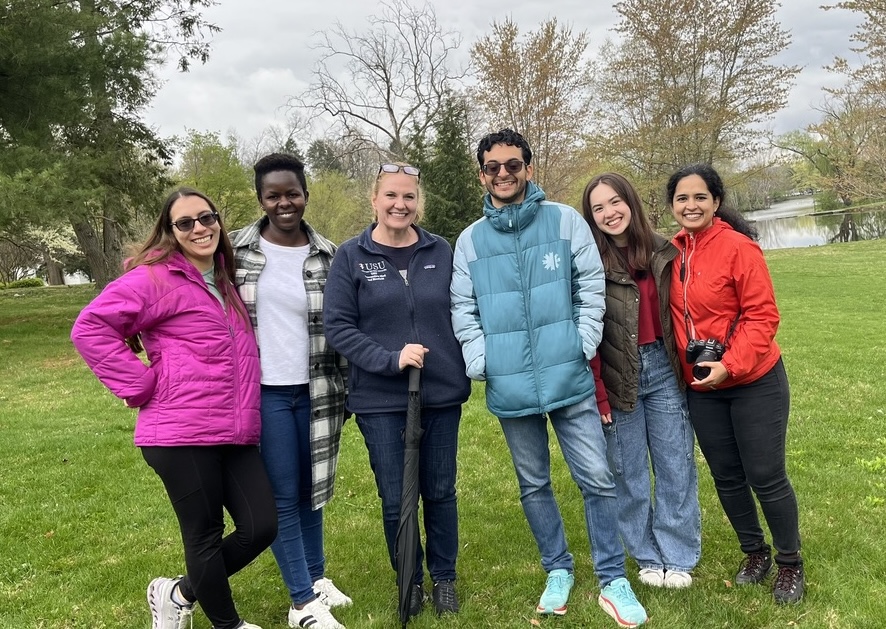
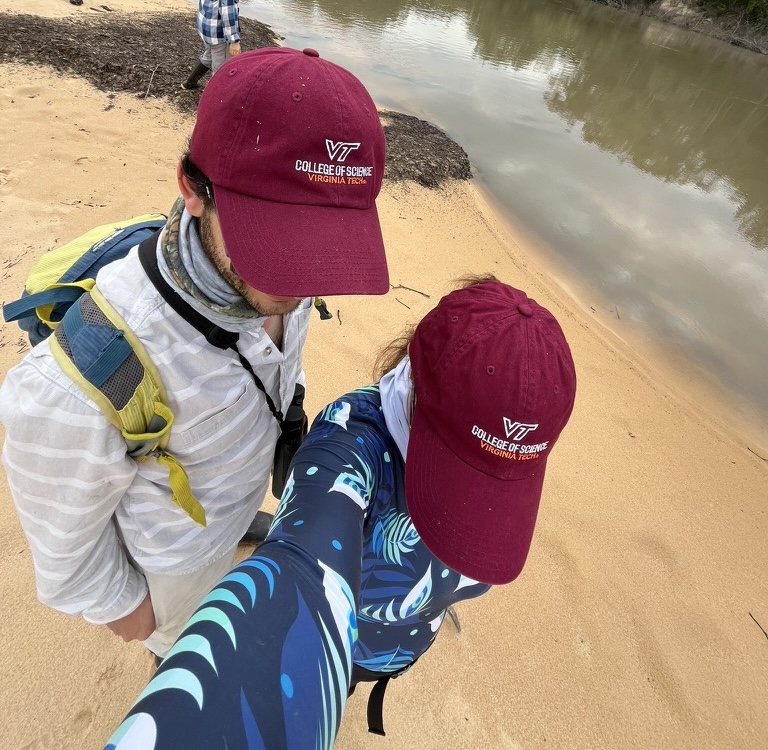
Allen lab · Duck Pond, Virginia Tech
Annual eDNA sampling for bioinformatics class 2026
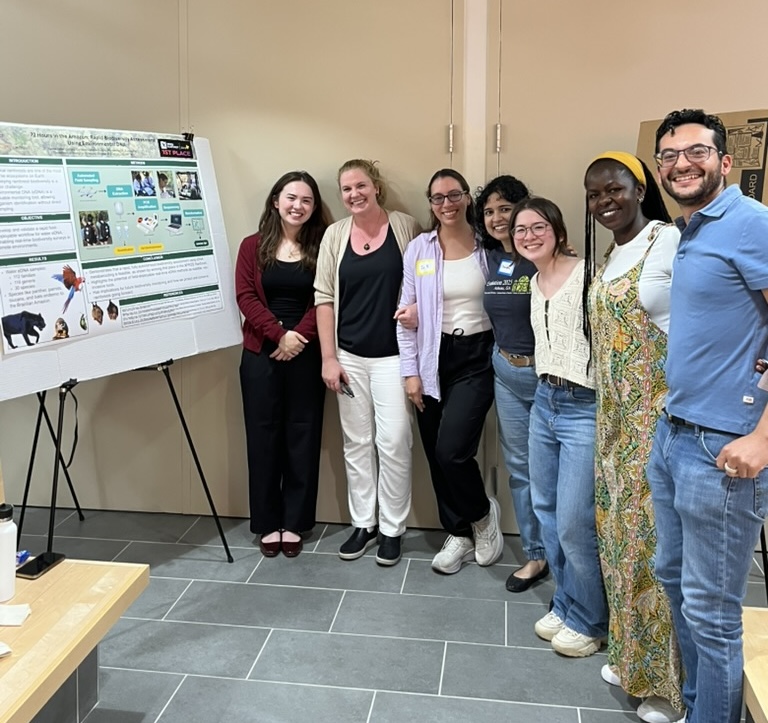
Kanna poster presentation · Allen lab undergraduate research day
Kanna Yerks presenting her poster on Bio Research day 2026 with all the lab members
Allen lab · Duck Pond, Virginia Tech
Annual eDNA sampling for bioinformatics class 2025
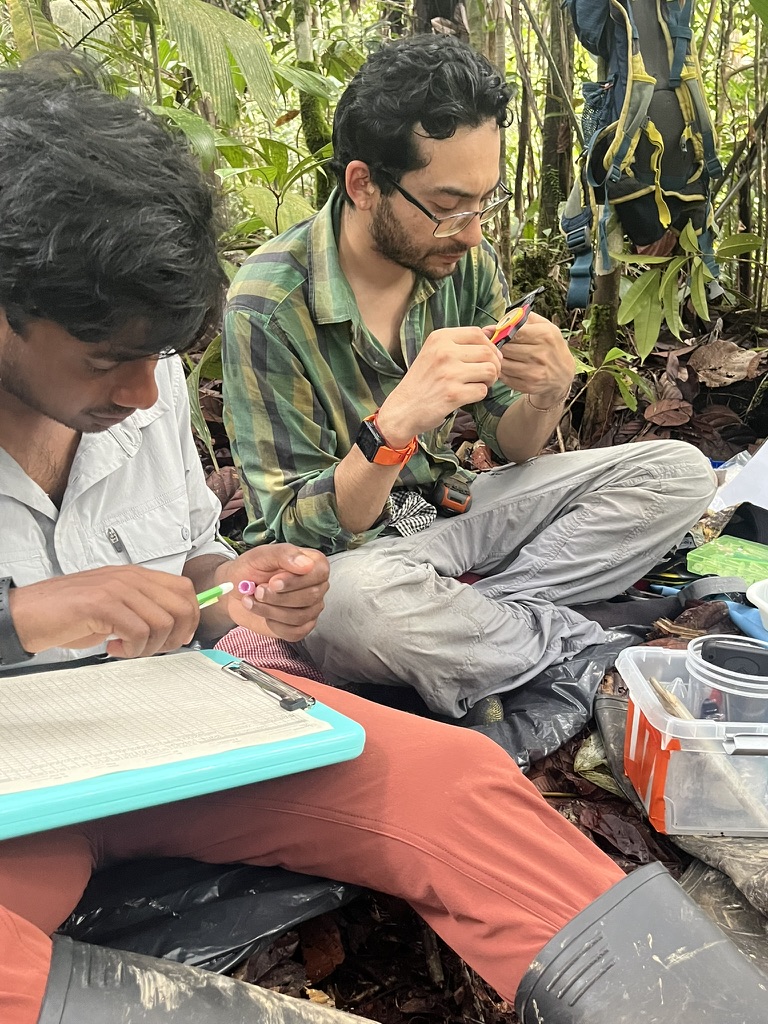
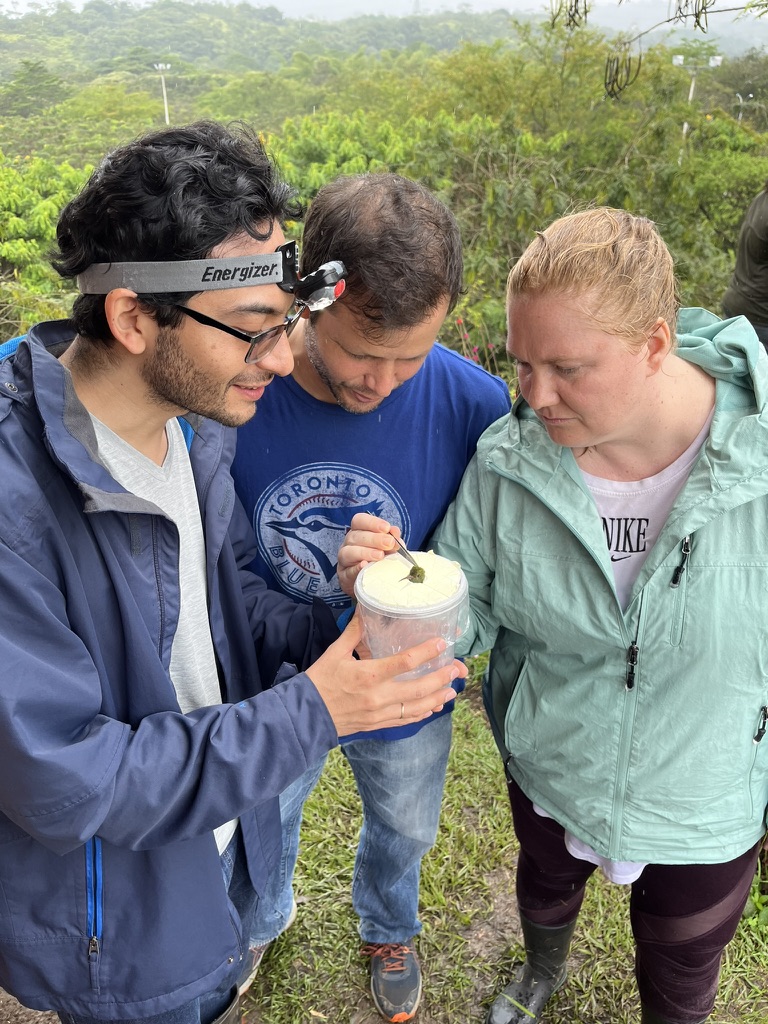
Field Work · Bahia Malaga, Colombia 2023
Meassuring birds in the rainforest with collaborators from Canada
Research day 2026
Chandra won best talk in breakout session
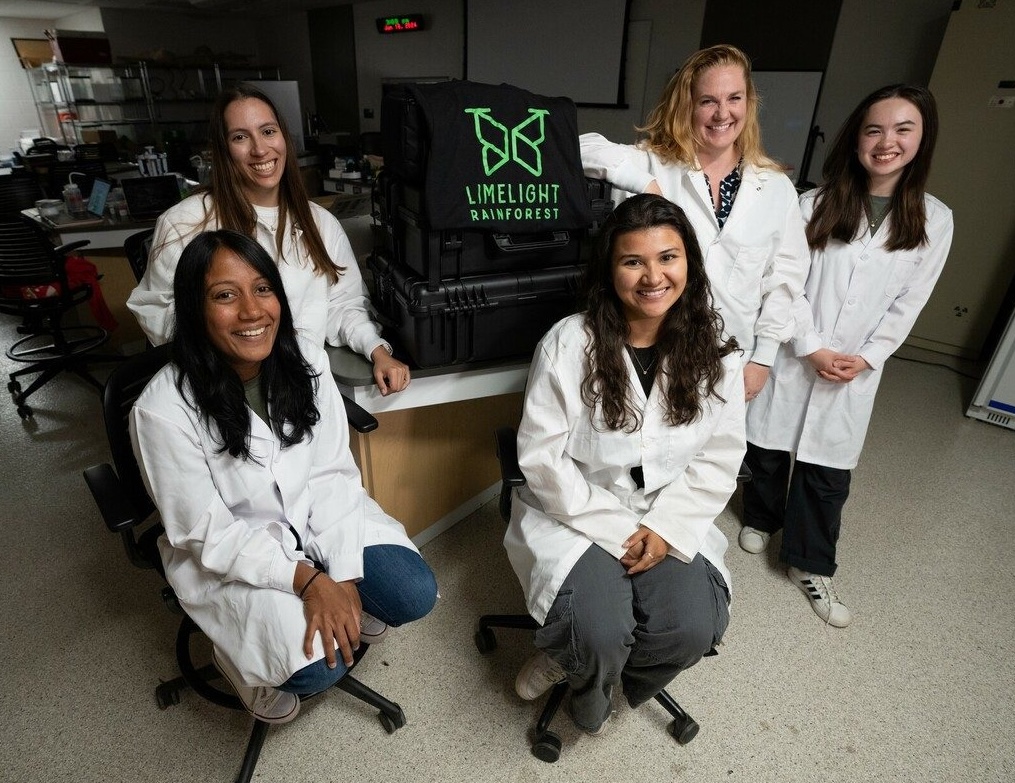
DNA Team preparing for XPRIZE competition
Precision, patience, and a lot of pipetting
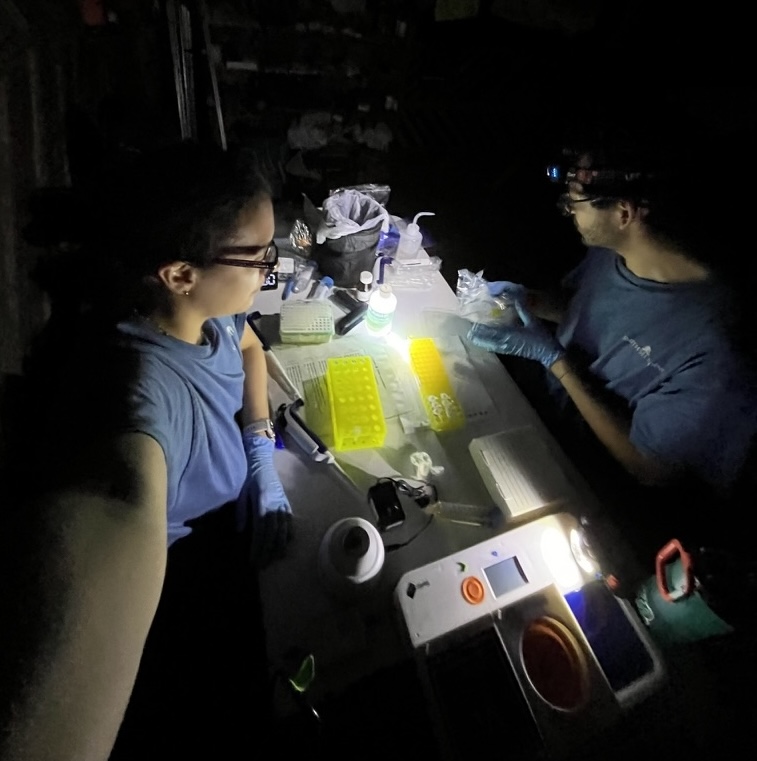
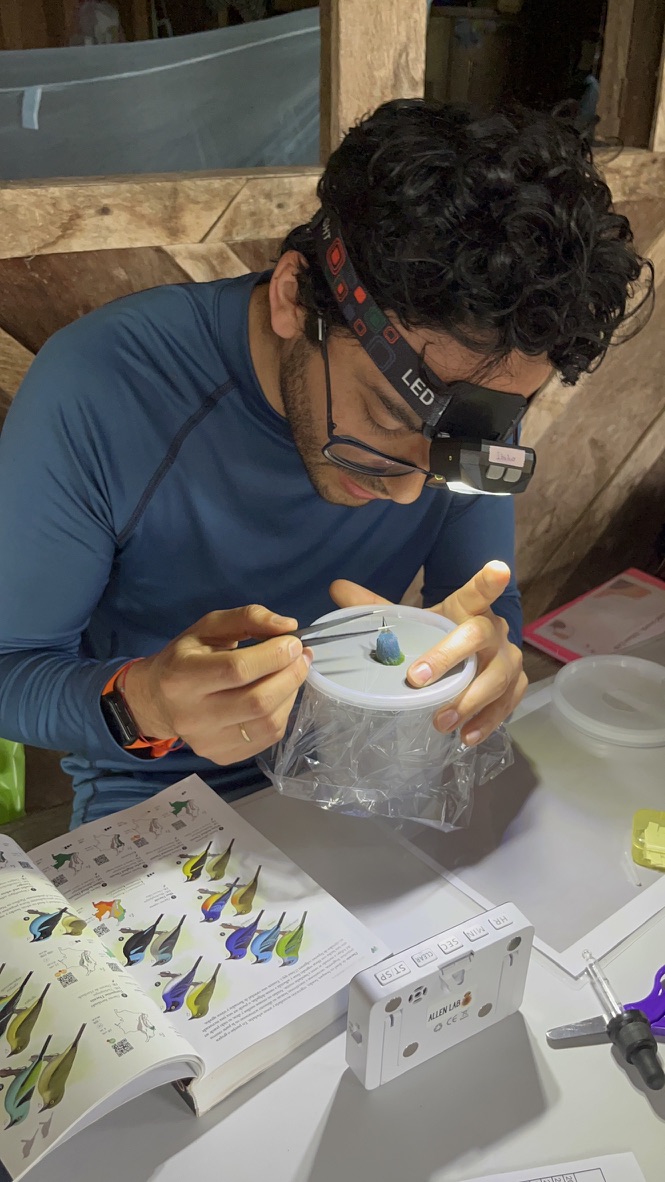
Field lab · Tomo Grande, Colombia 2025
Processing samples at night in the field
Field Work · Tomo Grande, Colombia 2025
Science, teamwork, and a bit of mud
Field work · Cali, Colombia
Looking for ectoparasites on birds
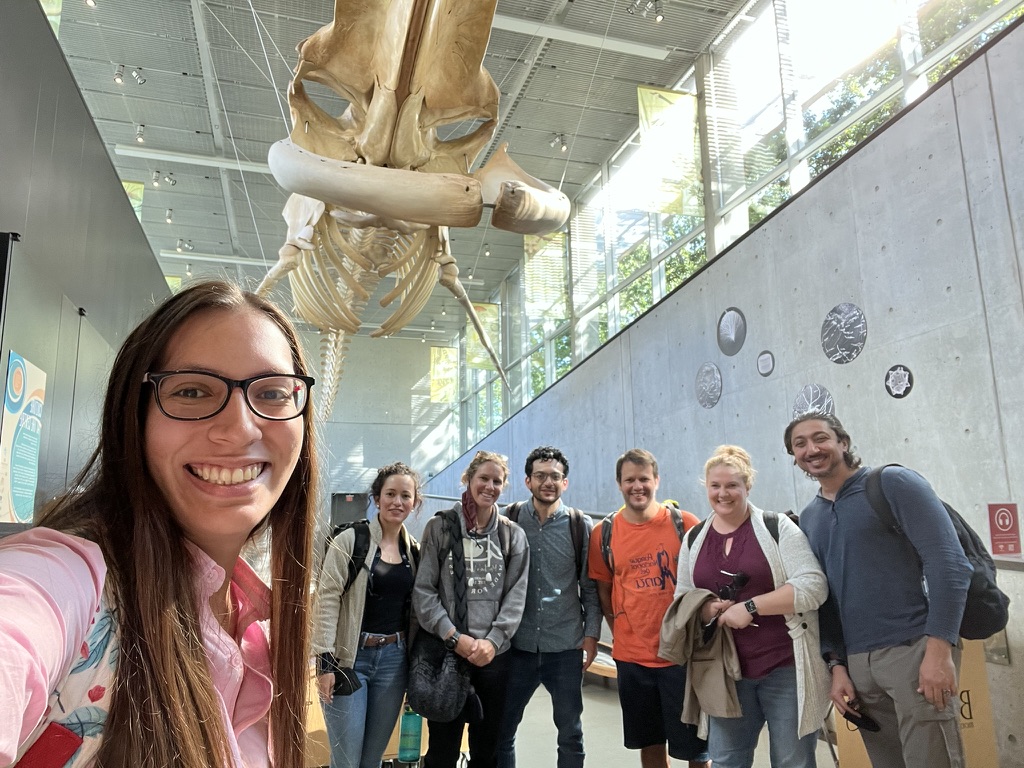
Working group · University of British Columbia, Canada
Visiting the Natural History Museum at UBC
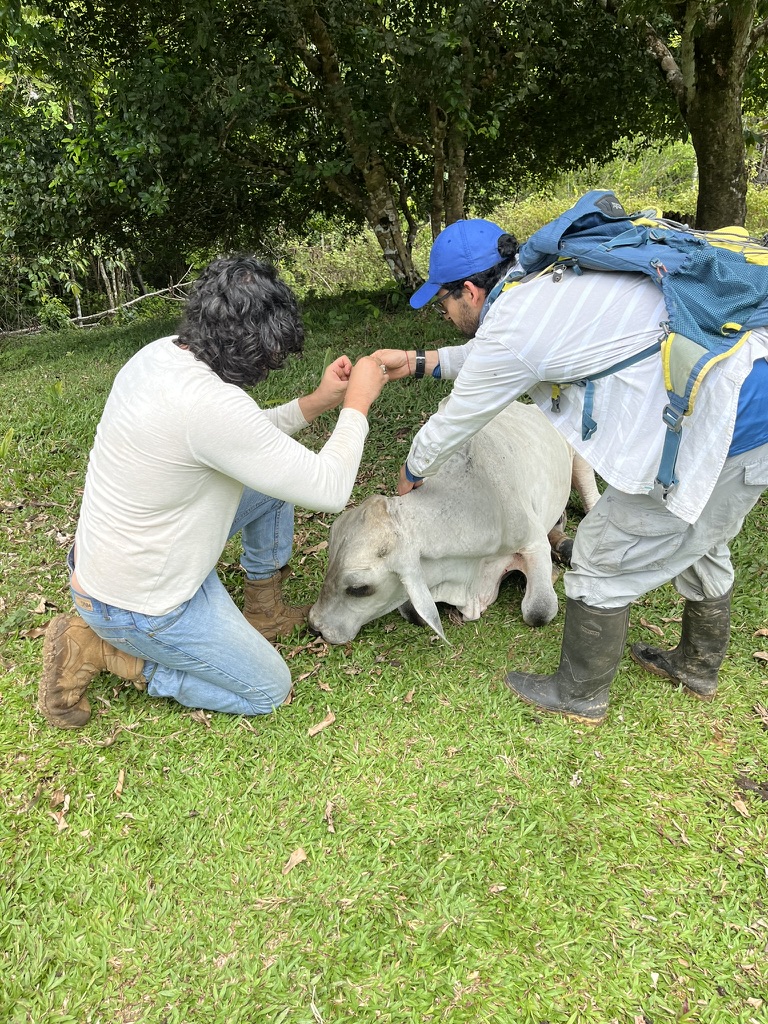
Field work · Amazonas, Colombia
Sampling cattle for ticks
Field work · Tomo Grande, Colombia 2025
Collecting ectoparasites from birds.
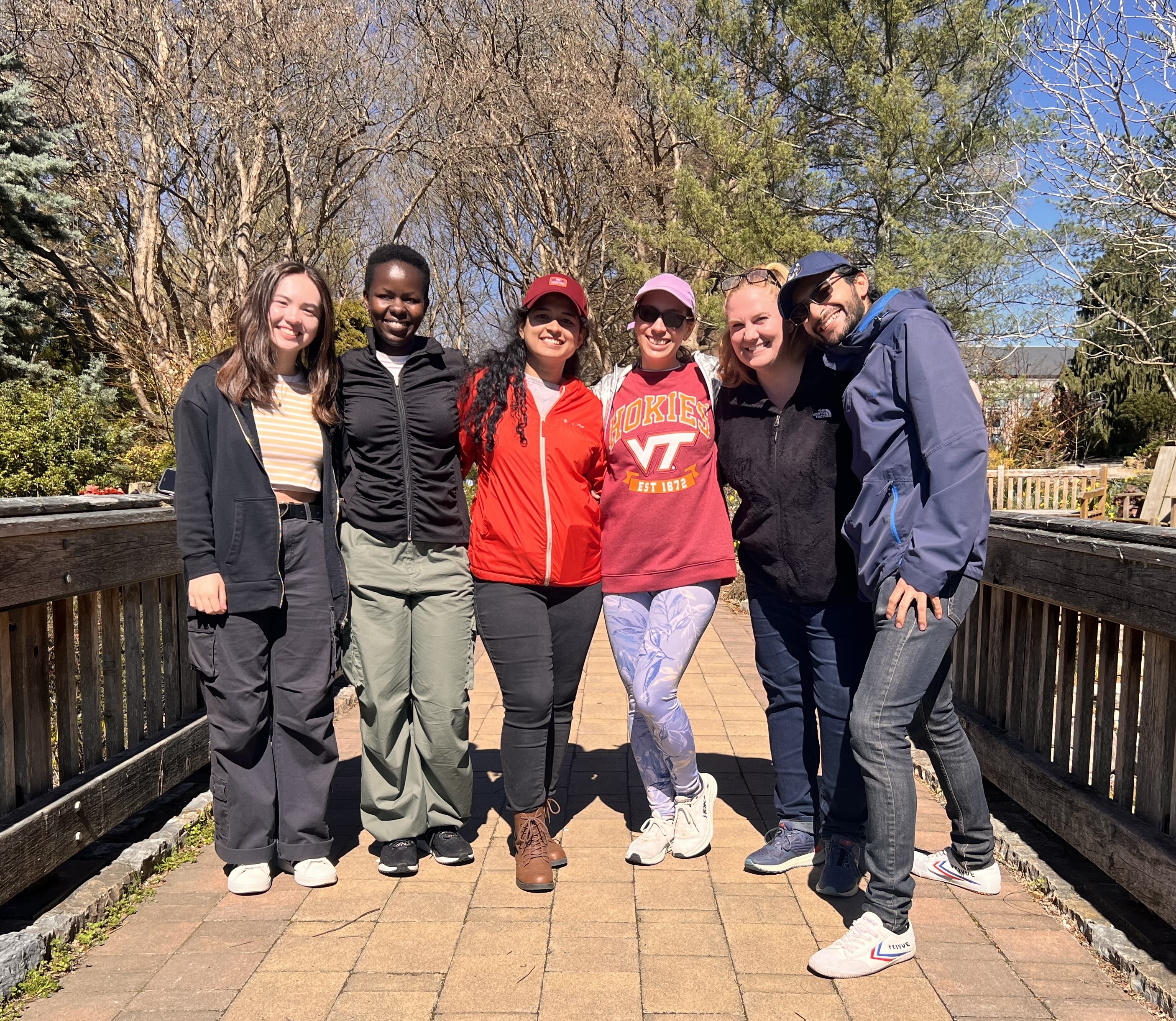
Allen Lab · Hahn horticultural garden, Virginia Tech
Annual eDNA sampling for bioinformatics class 2024
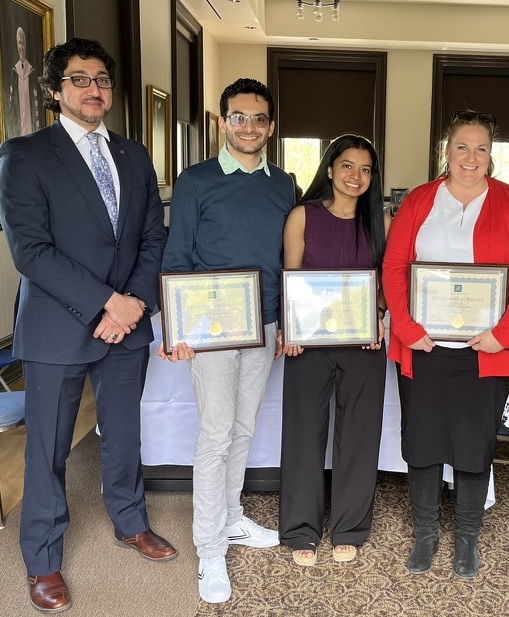
Awards ceremony
Members of the Allen lab were awarded different outstanding mentions
Field work · Cali, Colombia
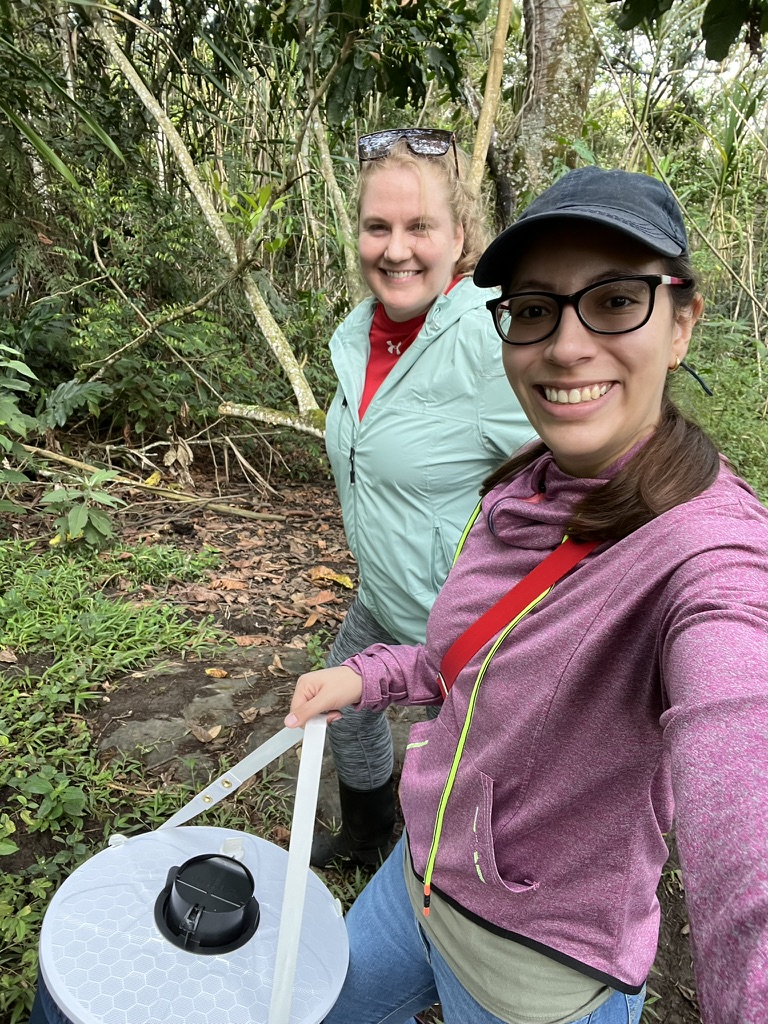
Setting traps to sample mosquitos
Lab Members
Chandra Sarkar
PhD Candidate
Chandra was trained as a wet lab bio-technologist in her undergrad, but her interests in combining biology with coding led to her to bioinformatics research in graduate school. She has worked across several computational projects like- examining variable GC regions in protein coding genes of plant pathogens (various Phytophthora and Fungi), developing a workflow for DNA quality control of Ultraconserved Elements (UCEs) from museum samples, and determining variable evolutionary rates of transmembrane-protein domains. Currently she is finishing her dissertation on elucidating the diversity and evolutionary history of endosymbiotic bacteria in avian chewing lice using metagenomic approaches.
- MS, Bowling Green State University Thesis:
- BS, Biotechnology, Neotia Institute of Technology Management and Science
Mario A. Loaiza Muñoz
PhD Candidate
Mario is a field biologist studying how environmental gradients influence host–parasite interactions in tropical montane ecosystems. Working along an elevational gradient in the Andean mountains, he investigates whether ectoparasite diversity mirrors bird community diversity from high to low elevations. He also examines how abiotic conditions, community structure, and host morphological traits together shape parasite dynamics across environmental gradients.
- BS, Biology, Universidad Pedagógica y Tecnológica de Colombia
Caroline Moseti
PhD Candidate
Caro is a biochemist and medical parasitologist with over a decade of experience in clinical research, public health programs, and health systems strengthening. Her doctoral research explores how knockdown resistance (kdr) mutations develop and spread in the five primary Anopheles species that transmit malaria across Africa. By combining genetic, ecological, and geospatial analyses, she maps patterns of resistance over time and across regions, helping to identify areas at higher risk and inform more effective malaria control strategies.
- MS, Medical parasitology, Egerton University
- BS, Biochemistry, Egerton University
Kanna Yerks
Undergraduate Student
Kanna works on insect metabarcoding, eDNA-based biodiversity assessments, and diet characterization through fecal analysis in the Allen Lab. Her research interests span genetics, cellular and molecular biology, and biomedical research. She is particularly interested in using molecular approaches to better understand biological systems. She joined the lab as a freshman and went to Brazil to win the Xprize Rainforest competition.
- BS, Biology, Virginia Tech
Rachael Yerks
Undergraduate Student
Rachael works with eDNA sampling and fecal diet characterization. She also has experience studying carnivore prey selection through camera-trap imagery and working with soybean breeding and genomics. Her broader interests are in avian ecology, and she hopes to pursue graduate research focused on birds and wildlife biology.
- BS, Wildlife Conservation, Virginia Tech
Isabella Burgos Holguín
Lab Manager
Isa is a chemist and biotechnology-trained scientist with a background in pharmaceutical research, molecular biology, genomics, and bioinformatics. At the Allen Lab, she bridges laboratory research, data, and operations—from molecular workflows and sequencing to data organization, visualization, and field logistics. She brings a practical, creative approach to building systems that make complex research easier to manage and understand.
- MS, Biotechnology, Universidad Icesi
- BS, Chemistry, Universidad Icesi
Dr. Taliesin (Tal) Kinser
Postdoc
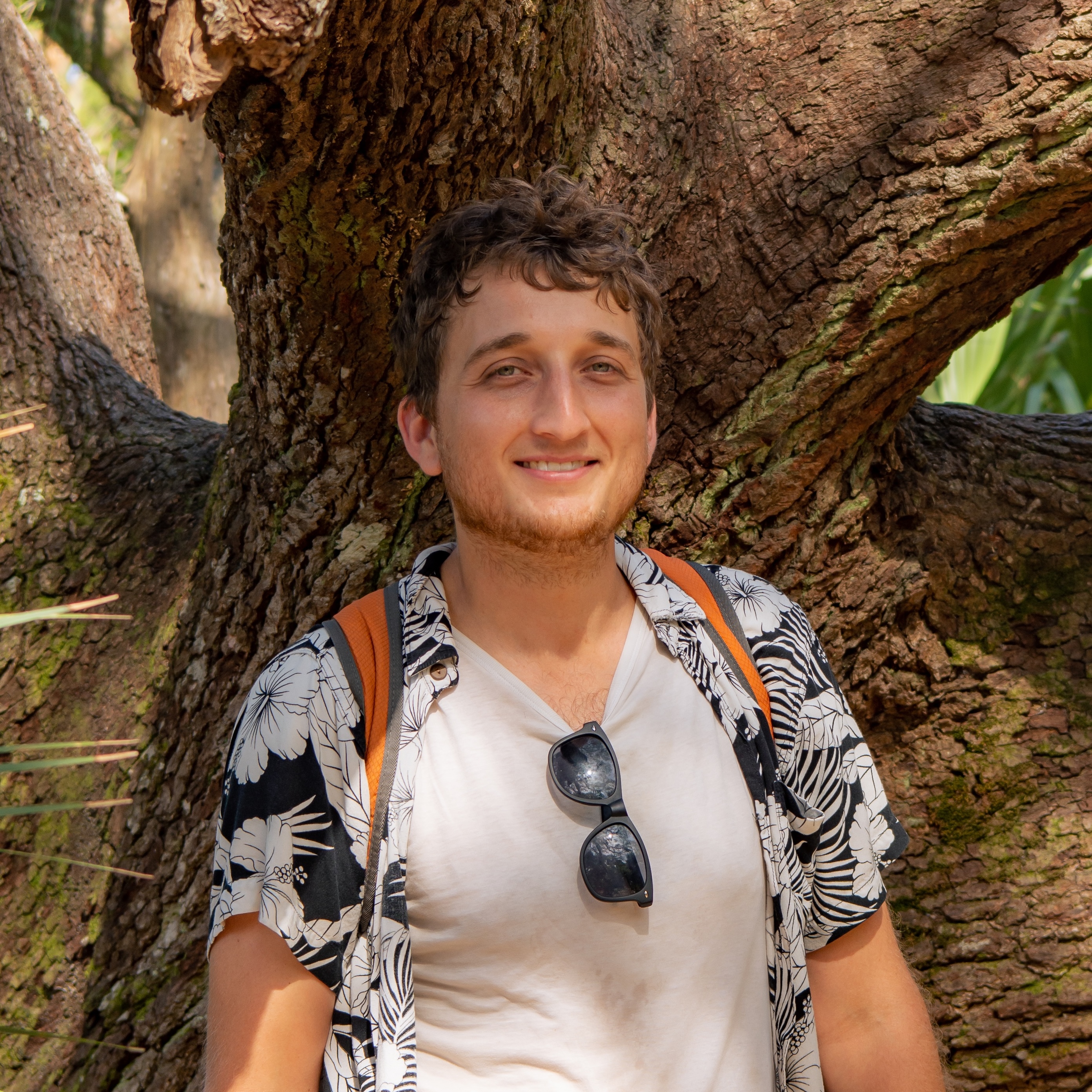
Tal studies spatial biodiversity patterns of plants, focusing on evolutionary diversity and rare species. He maps concentrations of plant diversity and investigates the environmental, biogeographic, and human factors that shape these non-uniform patterns. His work centers on the North American Coastal Plain, a global biodiversity hotspot, exploring the evolutionary pathways that have led to areas of high rarity.
- Ph.D. University of Florida · Soltis lab
- M.S. William and Mary · Puzey lab
- B.A. Austin College · Double major: Biology and Environmental Studies
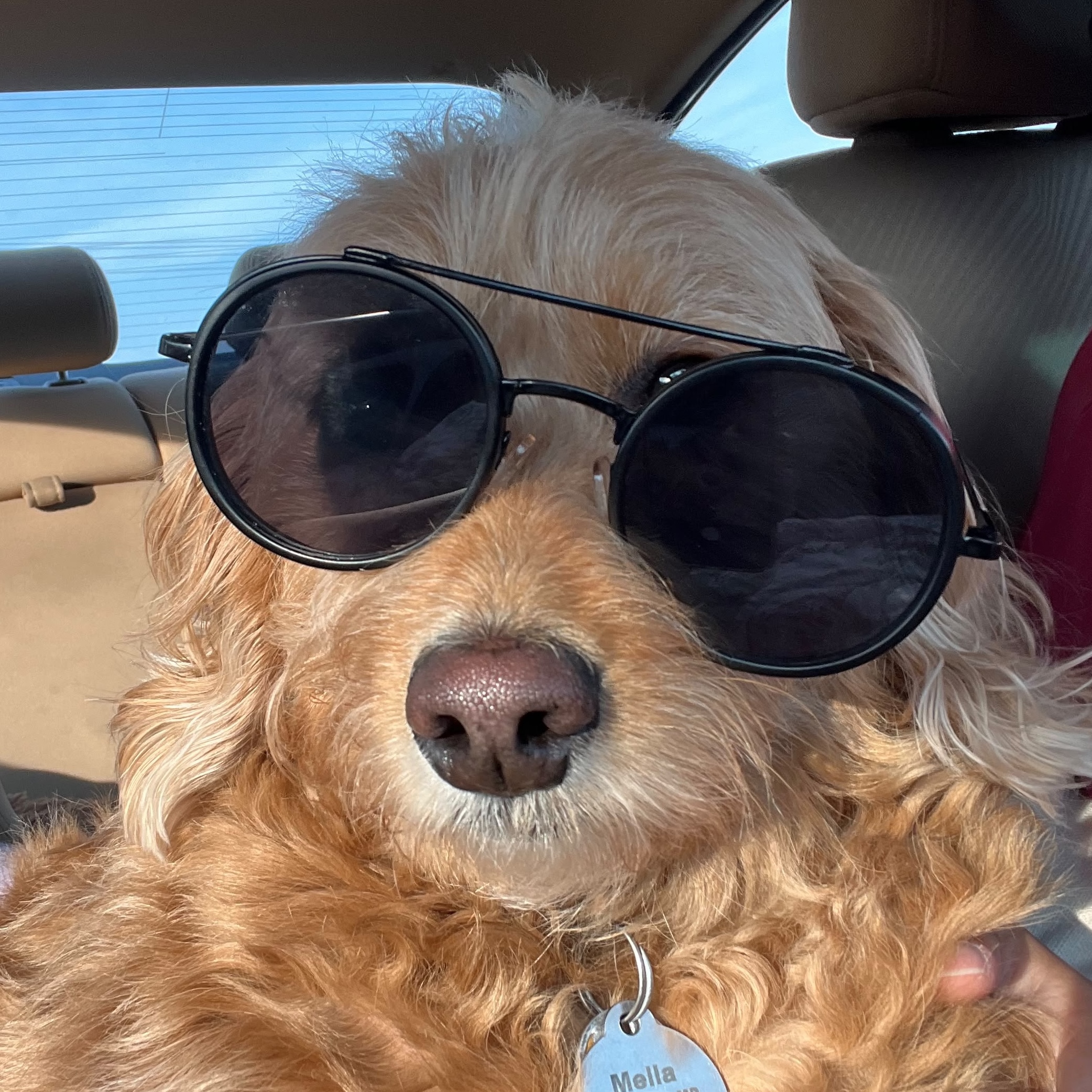
Mella
Official lab pet
Mella's interests revolve around understanding ball-human interactions, nutrient gathering and territoriality. Her main skills include de-stressing graduate students and getting attention. Her lab skills need some work.
- Certified Service Dog
Alumni & Former Researchers
Our lab community extends beyond Virginia Tech, with former members continuing their research across institutions and disciplines. We are proud to celebrate the contributions they have made to the lab and the paths they have pursued since.
Graduate Alumni
Master & PhD Graduates
Avery Szewczak
PhD 2023
Avery earned her PhD in the Allen Lab, where her research focused on how climate change impacts the genomes, demographics, and physiology of plants and animals. Her doctoral research investigated genetic signatures of selection driving the repeated adaptive radiation of various ecomorphs of avian feather lice (Philopteridae) using bioinformatic methods.
Leanne Diss
MSc 2020
Leanne investigated the abiotic and biotic variables that predict ectoparasite (tick/Ixodida) presence and abundance on birds across elevational gradients in Colombia during her MS in the Allen Lab. Her research combined species distribution modeling, phylogenetic analyses of tick taxa, and next-generation sequencing (NGS) to investigate potential tick distributions and tick-borne pathogens.
POSTDOCTORAL RESEARCHERS
Postdocs
UNDERGRADUATE RESEARCHERS
Undergraduates
Virginia Tech
UNDERGRADUATE RESEARCH
2026
XPRIZE RAINFOREST INTERNSHIP
Spring & Summer 2024
University of Nevada, Reno
NOTES FROM NATURE INTERNSHIP
Summer 2023
NURA
2021–2023
UNDERGRADUATE RESEARCH
2015–2020
Global Connections
Our work connects people, collaborations, and research across the globe.
Teaching
COURSE
Advanced Bioinformatics
Biological data have expanded rapidly over recent decades, evolving from genome sequencing to diverse datasets including image, audio, spatial, and ecological datasets. Working effectively with these data requires an integrated skill set that includes programming, data visualization, data management, and a strong grounding in biological theory and processes. This course examines major developments in bioinformatics that have reshaped the acquisition, processing, analysis, and interpretation of biological data, with applications ranging from community science and artificial intelligence to environmental DNA (eDNA) studies. Through lectures, hands-on computational exercises, and an independent research project, students will work with real biological datasets, explore databases and analytical tools, develop skills in Linux, R, Python, data visualization, and version control, and apply bioinformatic approaches to address biological questions.
What we explore
COURSE
Careers in Bioinformatics
Bioinformatics has become an essential component of modern biological research, with career opportunities spanning biotechnology, human health, agriculture, conservation, government, academia, and other emerging fields. Working effectively in these areas requires not only computational and biological knowledge, but also an understanding of how these skills are applied across different professional settings.
This course examines the diverse career pathways available in bioinformatics, the technical and professional skills required across sectors, and emerging trends shaping the field. Through guest speakers, career case studies, and professional development activities, students will explore opportunities in bioinformatics while developing skills in scientific communication, networking, career planning, and professional portfolio development.